Quiet Miles, Handmade Smiles

Today we explore last-mile electric cargo for handmade goods in car-free mountain towns, mapping quiet routes, winterproof equipment, and community rhythms that get pottery, textiles, cheeses, and fresh loaves home without exhaust or gridlock. We describe micro-hubs, battery care, traction on icy lanes, and real stories from ridge communities balancing steep gradients with tender parcels. Expect practical checklists, design sketches, and neighborly wisdom shaped by altitude, snow, and pride in local craft, inviting your voice to guide better deliveries.

From Workshop to Ridge: How Deliveries Find Their Path

Picture a mug leaving a kiln, nestled in recycled wool, meeting an e-cargo rider at a cobbled lane, then gliding along a shared trail past spruce and river mist. Without cars, timing and touch matter more than speed. We unpack handoff rituals, secure lockers near funiculars, and cadence-planning that respects siesta bells and snowfall. The path is short on a map but rich in care, communication, and trust between makers, riders, and neighbors.

Why Electric Cargo Works Where Cars Can't

High-torque mid-drive motors climb grades that stall vans, while narrow wheelbases slip through bollards guarding pedestrian plazas. Silence protects dawn calm and widens acceptable delivery windows. Lower weight reduces trail wear. Permits are simpler, maintenance bays smaller, and riders greet residents by name, turning logistics into visible care rather than intrusive traffic.

Choosing the Right Vehicle for Altitude and Grade

Short wheelbase cargo bikes feel agile on switchbacks, yet longtails spread weight for delicate baskets of candles or jam. Dual battery mounts offset altitude’s thinner air by extending assist range. Studded tires, sealed connectors, and low-temperature grease defend against freeze-thaw cycles. Test climbs with mock loads reveal gearing needs and brake heat, guiding confident choices before peak season crowds arrive.

Micro-Hubs, Lockers, and Warming Sheds

Tiny depots tucked beside bakeries or gondola stations buffer weather and crowd spikes, allowing riders to stage routes by neighborhood. Insulated lockers prevent glaze crazing or beeswax bloom. Power strips sip solar or hydro-backed electrons while batteries equalize. A chalkboard itinerary, shared with artisans, helps consolidate pickups, avoid empty trips, and invite spontaneous customer greetings during afternoon strolls.

Cold, Altitude, and Steepness: Engineering the Everyday

Mountain quiet hides engineering battles: lithium chemistry stiffening in deep cold, hydraulic fluids thickening by sunrise, and controllers interpreting endless climbs as prolonged stress. We explore insulation tricks, storage temperatures, brake bedding on frozen rims, and chain lubes that refuse to seize. Expect checklists translating lab specs into trail trust, because a wool scarf deserves the same precision as a gondola cable.

Batteries in Subzero and High Elevation

Heated wraps and preconditioning reduce voltage sag, while conservative state-of-charge windows preserve cycle life during repeated, frigid partial charges. Elevation lowers air density, subtly changing cooling and rider effort, so assist levels must be tuned thoughtfully. Swappable packs staged at mid-mountain huts trim downtime, and simple watt-hour logs reveal patterns that tame surprises before festivals and weekend rushes.

Trailers, Racks, and Fragile Crafts Protection

Suspended racks and low-pressure tires soften chatter over cobbles, protecting glazes, threads, and honey jars from micro-fractures. Modular crates accept cornstarch peanuts, cork panels, and wool shims shaped to each maker’s style. Winter tarps with transparent windows keep manifest labels visible. Quick-access straps mean fewer unplanned stops, warmer hands, and smoother customer experiences at doors and communal lockers.

Regeneration and Braking on Descents

Regenerative hubs offer gentle drag on long descents, recapturing energy without glazing pads, but thermal management still matters when hairpins stack endlessly. We compare rotor sizes, pad compounds, and lever ergonomics with mittens. Smart descent protocols—pulsed braking, cooling pauses, and load checks—protect both riders and heirloom goods so safely delivered parcels arrive ready for proud unwrapping.

Stories from the High Street Without Cars
A Potter’s First Snowstorm Run

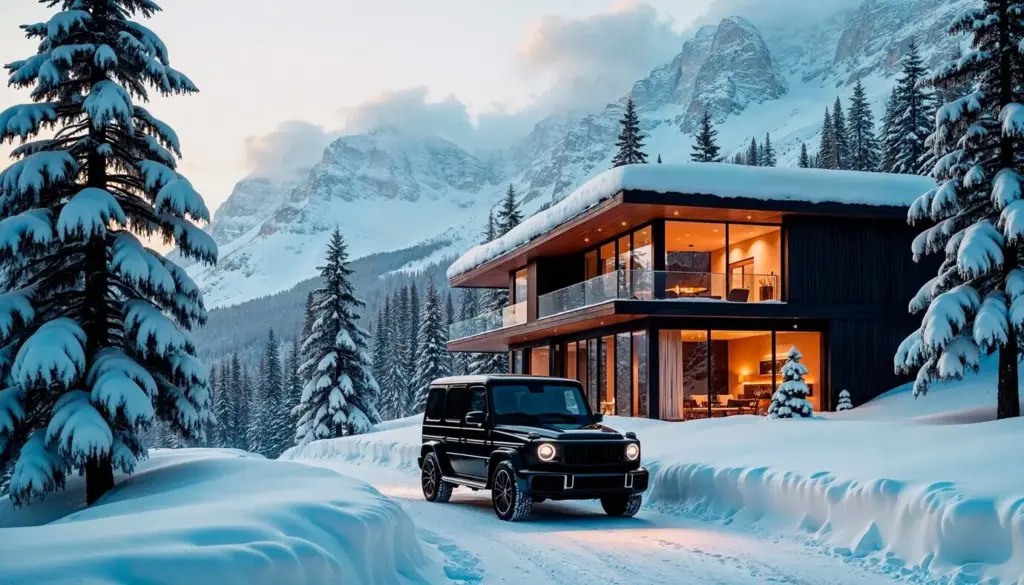
On the season’s first heavy snowfall, a novice rider paired with a veteran mapped a cautious loop, stopping twice to re-pad a set of celadon cups. Neighbors opened vestibules for quick warms, someone offered tea, and the final customer met them halfway. That cup tasted like teamwork, and the rider kept the route afterward, proud and better prepared.

Market Morning, Bell to Bell

Before the square fills, riders check torque, lights, and manifest codes, then weave between stall frames with measured grace. A cheesemaker’s crate swaps with a jeweler’s velvet-lined box at the midtown hut, saving two uphill trips. By the closing bell, sellers report fewer breakages, visitors linger longer, and music fades with roads still clean of fumes.

Visitors Learn the Rhythm

Tourists expecting curbside vans are intrigued by silent carriers. A short sign explains delivery windows, locker codes, and how to wave riders through on narrow steps. Many end up buying directly from studios after a shared greeting on the trail, weaving memory and purchase into a single, charming, low-impact experience they retell back home.

Operations, Safety, and Trail Etiquette
Graceful logistics respect more than schedules. Trails host skiers, strollers, dogs, and wildlife, and winter brings avalanches and sudden squalls. We outline right-of-way habits, bell cues, and reflective layers that harmonize with mountain aesthetics. We also share simple contingency plans—buddy systems, check-in texts, and weather holds—that keep people safe without smothering the spontaneity residents love.

Sharing Narrow Ways with Respect

Riders slow before blind corners, announce gently with bells, and yield to foot travelers on frosted planks. Headlights tilt low to protect night sky views. Wildlife gets absolute priority. These habits build trust, and trust grants flexibility during markets, storms, and celebratory parades when the grid would otherwise clog and fray everyone’s nerves.

Reading Weather and Terrain Like a Local

Mountain alerts are not background noise. Avalanche bulletins guide route choices around slopes and cornices, while wind direction predicts drifting on ridge-top stairways. Riders learn landmarks for microclimates and alternate paths under tree cover. A shared channel posts conditions photos, empowering artisans and customers to expect minor delays and thank patience instead of seeking shortcuts.

Economics Rooted in Quiet Streets

When transportation becomes neighborly rather than noisy, value changes shape. Makers save on breakage, pay for service that preserves relationships, and often sell more through confidence in reliable arrival. We consider pricing ladders, subscriptions for locals, and tourist bundles that include walking directions. Data on emissions and noise become stories residents champion during policy meetings.

Pricing Fairly Without Engines

Transparent tariffs reflect weight, fragility, and distance rather than congestion. Makers can pool off-peak slots for discounts, encouraging predictable flows. Loyalty credits reward return crates and shared packaging caches. By aligning incentives with care instead of horsepower, communities see more craft delivered, less waste created, and stronger ties between modest workshops and households on quiet lanes.

Count What Matters

Instead of engine hours and fuel receipts, track breakage avoided, minutes saved for studio focus, and smiles at doorways. Simple dashboards convert kilowatt-hours to avoided fumes and translate decibels reduced into longer nap times for toddlers. Share quarterly snapshots publicly, inviting critique and ideas, because transparent numbers strengthen the social license that keeps streets peacefully car-free.

Join the Ride: Help Shape Tomorrow’s Routes

This endeavor thrives on local voices. We invite makers, riders, residents, and visitors to share needs, routes, and bright ideas that keep deliveries gentle and joyful. Your notes influence pilot schedules, packaging libraries, and pop-up hubs. Subscribe for seasonal updates, share photos of friendly encounters, and help map gaps where a little kindness could unlock big convenience.

For Artisans: Packaging and Handoffs

Standardize inner padding shapes, label sides that must stay upright, and pre-assign locker preferences. Add a handwritten note inviting reuse of wraps. Offer a five-minute window for questions at pickup, building shared understanding. Comment with your studio’s material quirks, and we will compile a community guide that saves time and protects delicate textures.

For Residents: Feedback That Matters

Tell us where bells echo too sharply, which steps ice early, and which corners host afternoon sun. Suggest better pickup times after choir or before yoga. Share locker code frustrations or praises. Subscribing to updates makes your insights timely, and your patience during blizzards teaches visitors how resilient hospitality feels in a high valley.

For Volunteers and Curious Riders

Offer route shadowing, safety spot checks, or locker maintenance. Help translate signage into visiting languages. Bring warm tea to hub teams during cold snaps, and learn how torque settings meet human cadence. Report back with stories we can publish. Your generosity builds confidence so every handmade parcel feels personally ushered across the last, quiet mile.
Laluvezofoloxulirikozo
Privacy Overview

This website uses cookies so that we can provide you with the best user experience possible. Cookie information is stored in your browser and performs functions such as recognising you when you return to our website and helping our team to understand which sections of the website you find most interesting and useful.